Imagine waking up tomorrow and discovering that your debit card no longer works. Your bank’s mobile application is unavailable. Flights are grounded nationwide. Businesses cannot process transactions, and communication networks begin experiencing disruptions.
For millions of Americans, that scenario sounds like something from a Hollywood disaster movie.
But recent events have demonstrated that parts of this scenario are already possible.
From nationwide airline ground stops to banking disruptions and widespread computer failures, America’s dependence on technology is exposing a troubling reality: Our society has become so digitally connected that a failure in one critical system can disrupt millions of lives.
The question is no longer whether technology can fail.
The question is: Are Americans prepared when it does?
Airlines Grounded: A Warning America Cannot Ignore
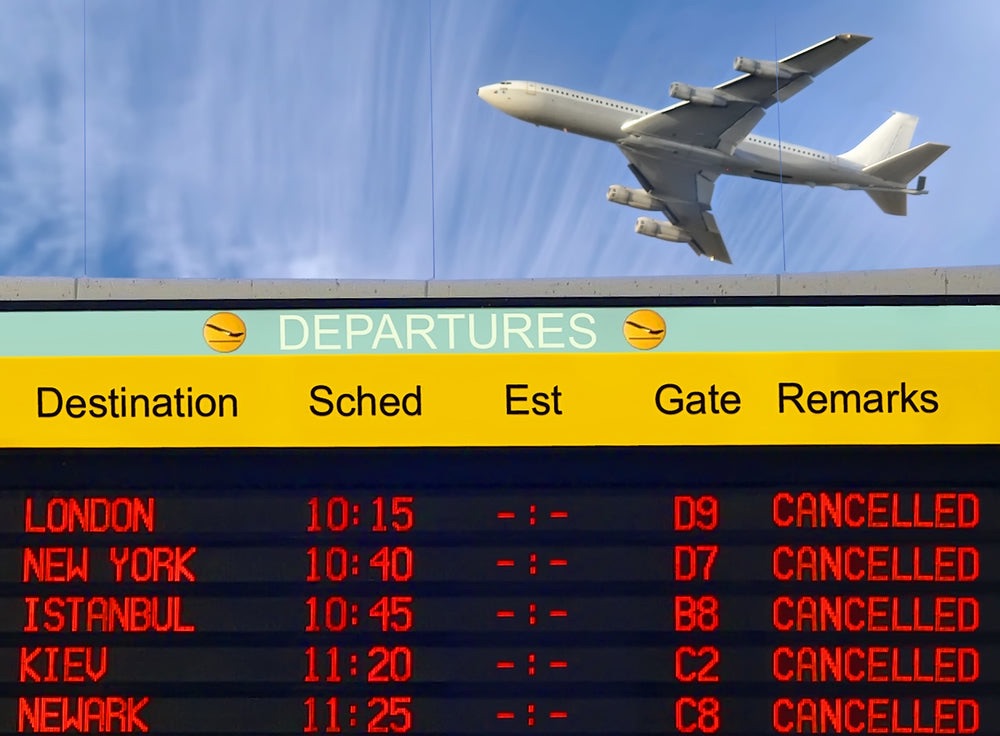
On November 13, 2026, the Federal Aviation Administration experienced a major communications disruption that triggered a nationwide ground stop.
Thousands of flights were delayed or canceled, leaving travelers stranded and creating widespread transportation problems.
The event was especially alarming because nationwide aviation shutdowns are extremely rare.
On January 11, 2023, the FAA had ordered the first nationwide departure ground stop since the September 11, 2001, terrorist attacks after its Notice to Air Missions system failed.
The November 2026 incident marked another extraordinary nationwide disruption.
According to reporting from Reuters and the Associated Press, aging air traffic control infrastructure and communications problems were central concerns in the latest incident.
Officials reported no evidence that the November ground stop was caused by a cyberattack.
Nevertheless, the implications are significant.
If technical problems can disrupt aviation across the country, what other essential services could experience similar failures?
America’s transportation system is more than passenger travel. Airlines transport medical supplies, commercial goods, critical equipment, and people responding to emergencies.
When transportation stops, the consequences can extend far beyond the airport.

Banks Experiencing Outages: What Happens When Americans Cannot Access Their Money?
The banking industry is another example of how deeply technology controls everyday life.
Recent technical disruptions have affected access to financial services, including banking applications and payment platforms such as Zelle.
For consumers, even a temporary banking outage can create serious challenges.
Imagine standing at a grocery store checkout with a cart full of food, only to discover that electronic payments are unavailable.
Or needing gasoline during an emergency while the payment network is down.
The money may still be in your account, but temporarily accessing it could become difficult.
That is an important distinction: A banking technology outage does not necessarily mean that customers’ deposits have disappeared or that the banking system is collapsing.
However, it does reveal how dependent modern commerce has become on electronic transactions.
Many Americans no longer carry cash. Some businesses have moved almost entirely toward digital payments.
Convenience has increased, but so has our dependence on functioning networks.

The 2024 Global Technology Outage Proved How Quickly Systems Can Fail
On July 19, 2024, a defective CrowdStrike software update caused widespread computer failures around the world.
Airlines, banks, hospitals, retailers, and other organizations experienced major disruptions.
Thousands of flights were canceled or delayed. Some medical facilities experienced operational difficulties, and businesses struggled to restore affected computers.
The incident was not a cyberattack.
It was a software failure.
That fact makes the situation particularly important.
A single defective update demonstrated how technology shared across multiple industries can create widespread disruption.
When organizations depend on common software providers, failures can spread across sectors that appear unrelated.
One technical mistake can become an international emergency.
Is the World Failing to Keep Up With Its Own Technology?
Technology is advancing faster than many institutions can modernize the infrastructure supporting it.
Artificial intelligence, cloud computing, automated payment systems, and digital communications have transformed society.
But many critical systems still depend on aging equipment, outdated infrastructure, and complicated networks that can be difficult to repair.
The U.S. Government Accountability Office has repeatedly identified modernization challenges affecting air traffic control systems.
The problem is not necessarily that technology itself is failing.
It is that society has become increasingly dependent on technology while struggling to maintain sufficient resilience, redundancy, and backup capabilities.
Consider how many essential services depend on computers and communications networks:
- Banking and electronic payments
- Airlines and transportation
- Hospitals and emergency medical services
- Electricity and water utilities
- Food distribution and grocery supply chains
- Telecommunications and emergency communications
- Government and public safety operations
These systems are interconnected.
A prolonged disruption affecting multiple services could create cascading consequences for communities, businesses, and families.
Could America Experience a Nationwide Technology Blackout?
A nationwide technology blackout is a possibility worth preparing for, but recent outages do not establish that such an event is imminent.
The disruptions reported in November 2026 have not been shown to be part of a coordinated attack or a single nationwide systems failure.
Still, emergencies can arise from many different causes.
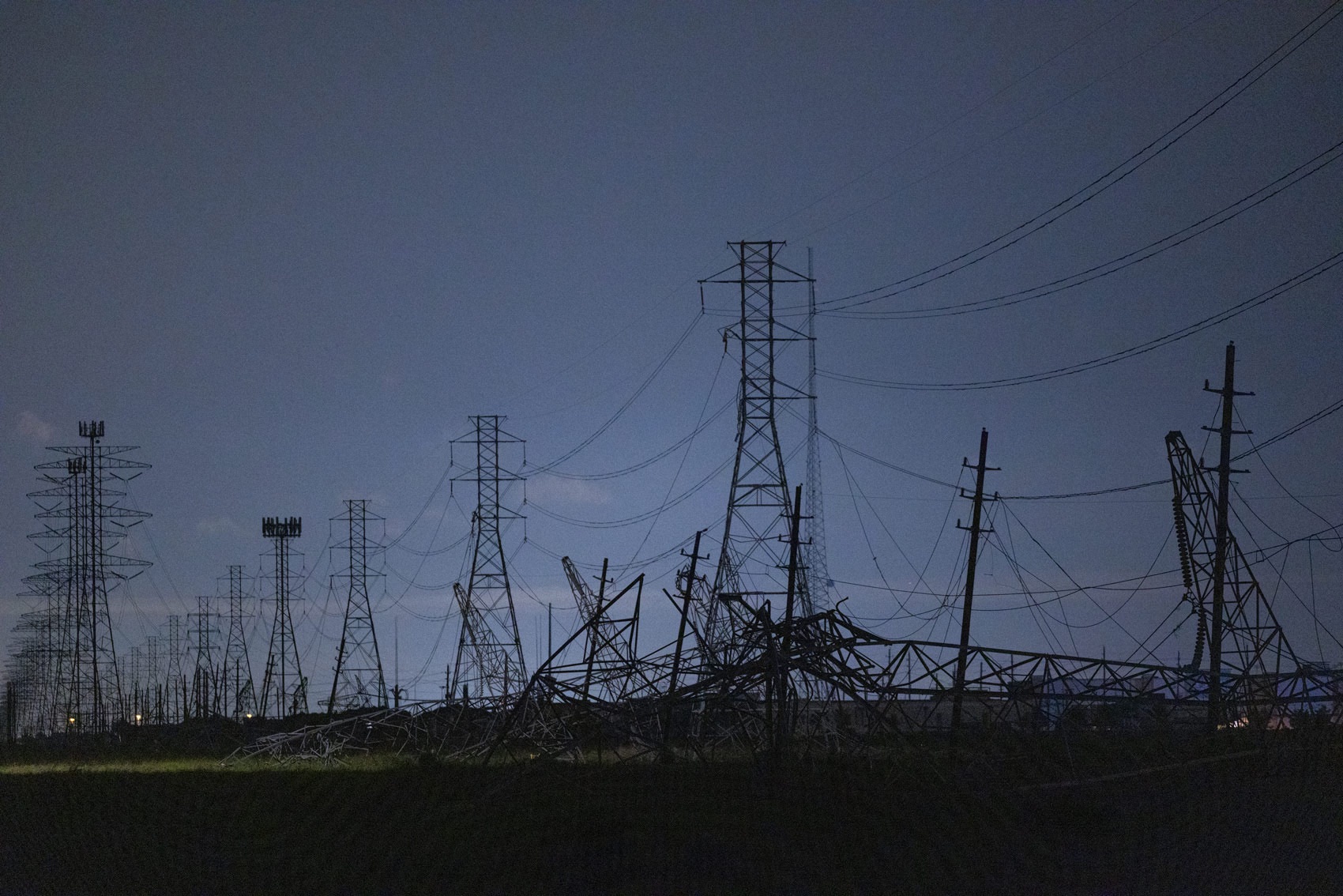
Cyberattacks, extreme weather, equipment failures, natural disasters, human error, and power grid disruptions can all interfere with critical infrastructure.
The most dangerous mistake would be assuming that every essential service will always remain available.
Preparedness is not about predicting the next disaster. It is about reducing your dependence on systems that may temporarily become unavailable.
12 Ways Every American Should Prepare for a National Emergency
You do not need to become an extreme survivalist to protect your family.
You need a realistic emergency preparedness plan.
1. Keep Emergency Cash Available
Maintain a reasonable amount of cash in small denominations for essential purchases during temporary payment outages.
Store it securely and avoid withdrawing more than your household can afford.
2. Store Emergency Drinking Water
FEMA recommends at least one gallon of water per person per day for a minimum of three days.
For greater resilience, households can work toward maintaining a seven-day supply or longer when storage space and finances allow.
3. Build an Emergency Food Supply
Maintain shelf-stable food that your household regularly eats.
Canned vegetables, beans, rice, peanut butter, shelf-stable meals, and other nonperishable items can help sustain a family during temporary supply disruptions.
Include a manual can opener.
4. Prepare for Power Outages
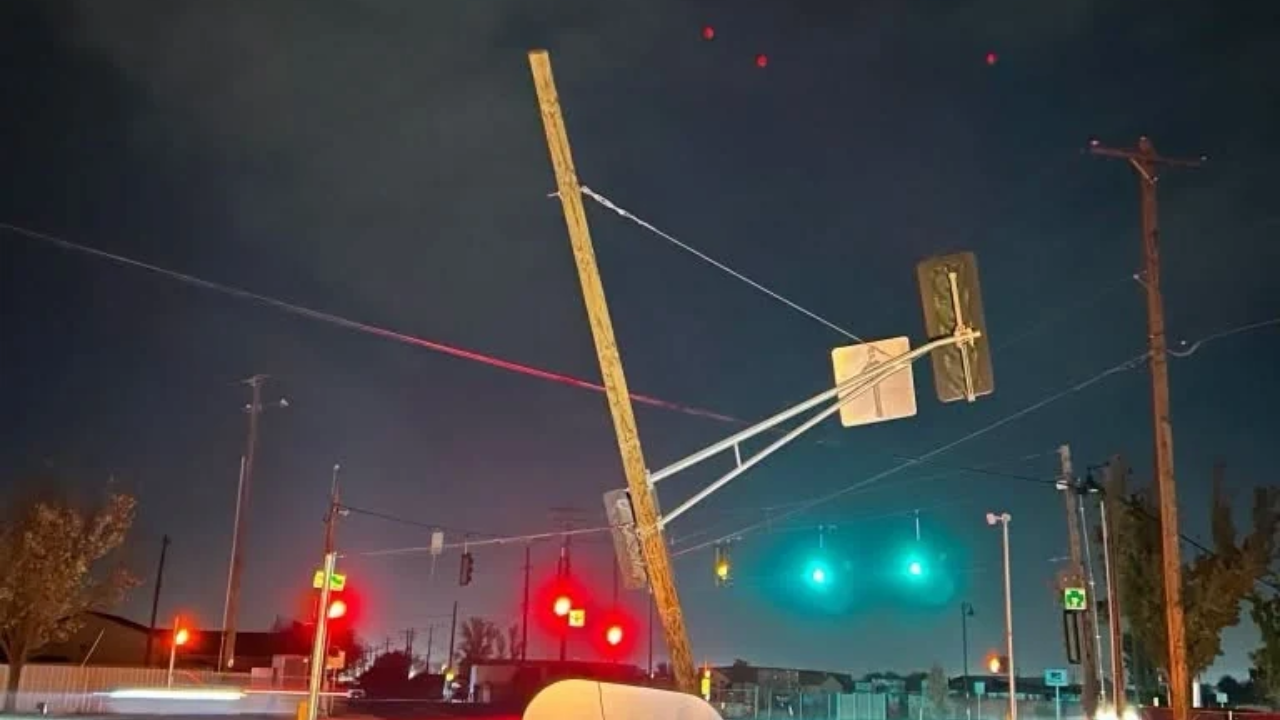
Keep flashlights, batteries, charging banks, and appropriate backup lighting available.
Consider a portable power station if your budget allows.
Never operate gasoline generators, grills, or other fuel-burning equipment inside homes, garages, or near windows because of carbon monoxide risks.
5. Establish an Emergency Communication Plan
Write down important phone numbers and designate a family meeting location.
Keep a battery-powered or hand-crank radio for receiving emergency information when internet services are unavailable.
6. Maintain Necessary Medical Supplies
Keep a first-aid kit and an appropriate supply of essential medications.
Ask your pharmacist or healthcare provider about emergency prescription refills and safe medication storage during power outages.
7. Keep Your Vehicle Emergency-Ready
Maintain your vehicle, avoid routinely driving with an almost-empty fuel tank, and store a basic emergency kit inside.
Include water, a flashlight, a phone charger, and essential vehicle supplies.
8. Protect Important Documents
Store waterproof copies of identification, insurance information, medical details, and essential financial records.
Maintain secure offline backups of important digital files.
9. Strengthen Your Digital Security
Enable multifactor authentication, use strong unique passwords, and maintain secure backups.
During outages, be especially cautious of phishing messages pretending to offer banking assistance or emergency account recovery.
10. Create a Household Emergency Plan
Every family member should understand what to do during a power outage, evacuation, severe storm, or communications failure.
Practice the plan and establish backup contacts.
11. Know Your Community’s Emergency Resources
Identify local shelters, evacuation routes, emergency management agencies, and reliable sources of official alerts.
Community relationships can become especially valuable during extended emergencies.
12. Develop a Seven-Day Self-Sufficiency Goal
Begin with FEMA’s minimum three-day emergency kit, then gradually build toward seven days of supplies.
Families with the resources and storage capacity may consider preparing for longer disruptions.
The objective is simple: Be able to meet your household’s essential needs temporarily without depending on immediate outside assistance.
Businesses Must Prepare for Technology Failures Too
Households are not the only ones at risk.
Business owners should recognize that technology disruptions can affect payroll, inventory, customer communications, electronic payments, access control, security monitoring, and daily operations.
A company without a business continuity plan may be forced to suspend operations during an otherwise manageable outage.
Organizations should consider maintaining offline emergency procedures, alternative communications, secure data backups, and documented recovery responsibilities.
Security and emergency response planning should be part of normal business operations, not something addressed only after a crisis begins.
The Biggest Threat May Be Our Dependence on Convenience
For decades, Americans have embraced technology because it makes everyday life faster and easier.
We use smartphones instead of paper maps.
We use digital wallets instead of carrying cash.
We store important information in cloud services.
We rely on electronic systems to open doors, operate businesses, monitor properties, and communicate with loved ones.
These advances offer enormous benefits.
But convenience without contingency planning can become vulnerability.
A resilient society needs both innovation and reliable backup systems.
The same principle applies to individual households.
Final Warning: Don’t Wait Until the Systems Stop Working
America is not facing a confirmed nationwide collapse, and there is no verified evidence that the recent outages signal an impending national disaster.
But these incidents provide an important warning.
Technology is not infallible.
Banks can experience outages. Airlines can be grounded. Communications can fail. Electricity can be interrupted.
And when these systems become unavailable, even temporarily, unprepared families and businesses can face serious difficulties.
The next major disruption may not come with advance notice.
The time to prepare is not when the grocery store cannot accept payments, the power goes out, or the emergency alert arrives.
The time to prepare is now.
Not out of fear.
Not because disaster is guaranteed.
But because preparation creates options when circumstances change.
America has built a world that runs on technology. Every American should have a plan for what happens when that technology stops.
- An Unforgettable Night in Austin: Experiencing the Sideshow Scene and Meeting SRT LenAustin, Texas, is known for its music, nightlife, entertainment, and growing automotive culture. But beyond the traditional attractions, there is another… Read more: An Unforgettable Night in Austin: Experiencing the Sideshow Scene and Meeting SRT Len
- California Restricts Waymo After Driverless Car Safety IncidentsFrom Austin, Texas, to California's busy highways, the incidents are raising an increasingly urgent question: Are driverless cars truly ready to navigate the unpredictable realities of America's roads?
- What happens when the technology running America suddenly stops working?Airlines grounded, banks experiencing outages, and technology systems failing—are these warning signs of America’s growing infrastructure vulnerabilities?
- Nvidia’s Jensen Huang Betrayed Investor Trust: A Leadership Scandal That Threatened Market Confidence and National SecurityNvidia’s Jensen Huang scandal raises serious questions about investor betrayal, corporate integrity, national security, and declining stock market confidence.
- Houston Students Share Their Truth About High School, Education, Mental Health & Preparing for the Futureigh school is more than classrooms and assignments—it is a journey of growth, challenges, friendships, and self-discovery. In this powerful episode of The TLC Show, young students Rolanda, Brooklyn, and Litzyanne share their experiences navigating academics, mental health, relationships, and preparing for the future. Through honest conversations about overcoming obstacles, finding support, and believing in themselves, they highlight the importance of listening to youth voices and investing in the next generation.