Commercial Real Estate: A Complete Guide to Investment, Leasing, and Market Growth
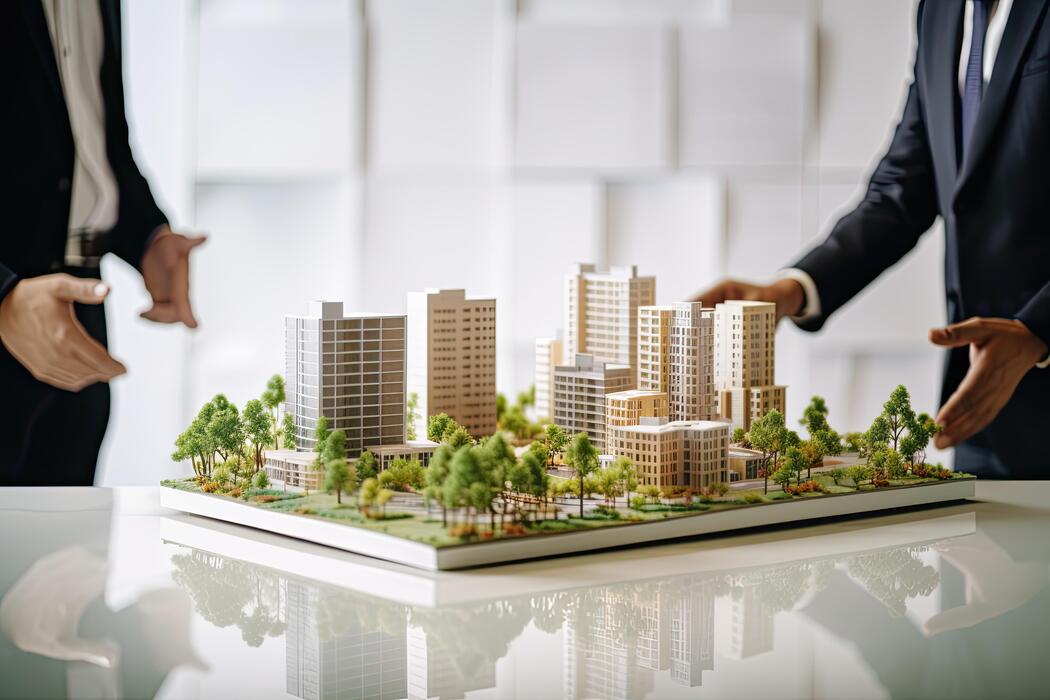 Commercial real estate (CRE) continues to be one of the most profitable sectors for investors, entrepreneurs, and corporations looking to grow long-term wealth. From office buildings and retail centers to warehouses and multifamily developments, commercial properties generate income while supporting economic growth in communities across the country.
Whether you’re purchasing your first investment property or expanding an existing portfolio, understanding the commercial real estate market is essential for making informed decisions.
What Is Commercial Real Estate?
Commercial real estate refers to properties used primarily for business purposes rather than residential living. Owners earn income by leasing space to businesses or operating commercial ventures from the property.
Common commercial property types include:
- Office buildings
- Retail shopping centers
- Industrial warehouses
- Distribution centers
- Medical office buildings
- Hotels and hospitality properties
- Multifamily apartment communities
- Mixed-use developments
- Self-storage facilities
Each property type offers different investment opportunities, risks, and potential returns.
Benefits of Investing in Commercial Real Estate
1. Consistent Cash Flow
Commercial properties often generate predictable monthly rental income through long-term leases.
2. Higher Income Potential
Compared to many residential investments, commercial properties typically produce stronger cash flow and better returns.
3. Long-Term Appreciation
Well-located commercial properties generally increase in value as surrounding communities grow.
4. Portfolio Diversification
Commercial real estate provides an alternative investment that may reduce overall portfolio risk.
5. Tax Advantages
Investors may benefit from deductions related to depreciation, mortgage interest, maintenance, and operating expenses. Always consult a qualified tax professional for guidance.
Popular Commercial Property Types
Office Buildings
Office spaces remain essential for corporations, startups, and professional service firms.
Examples include:
- Corporate headquarters
- Medical offices
- Coworking spaces
- Executive office suites
Retail Properties
Retail commercial real estate includes:
- Shopping centers
- Strip malls
- Grocery-anchored centers
- Stand-alone retail buildings
- Restaurants
Industrial Properties
Industrial real estate has experienced significant growth due to e-commerce expansion.
Properties include:
- Warehouses
- Manufacturing facilities
- Distribution centers
- Logistics hubs
- Flex industrial spaces
Multifamily Properties

Apartment communities with multiple rental units are considered commercial real estate and often provide stable occupancy rates.
How Commercial Real Estate Financing Works
Financing options include:
- Conventional commercial loans
- SBA loans
- Commercial mortgage-backed financing
- Private lenders
- Real estate investment groups
- Equity partnerships
Lenders typically evaluate:
- Credit history
- Property income
- Occupancy rates
- Business financials
- Down payment
- Debt-service coverage ratio (DSCR)
Key Factors to Consider Before Purchasing Commercial Property
Location
Successful commercial properties are located near:
- Major highways
- Growing neighborhoods
- Business districts
- Transportation hubs
- High-traffic retail areas
Market Demand
Research:
- Vacancy rates
- Rental demand
- Population growth
- Job creation
- Economic development
Property Condition
A professional inspection can identify:
- Structural issues
- Roof condition
- HVAC systems
- Plumbing
- Electrical systems
- Environmental concerns
Cash Flow Analysis
Evaluate:
- Gross rental income
- Operating expenses
- Property taxes
- Insurance
- Maintenance costs
- Net operating income (NOI)
Commercial Leasing Basics
 Commercial leases differ from residential agreements.
Common lease types include:
Gross Lease
The landlord pays most operating expenses while tenants pay rent.
Net Lease
Tenants pay rent plus some or all operating expenses.
Examples include:
- Single Net (N)
- Double Net (NN)
- Triple Net (NNN)
Percentage Lease
Often used for retail businesses where tenants pay base rent plus a percentage of sales.
Emerging Trends in Commercial Real Estate
Several trends are shaping the future of the industry:
- Growth in industrial and logistics facilities
- Increased demand for data centers
- Expansion of mixed-use developments
- Flexible office spaces
- Sustainable and energy-efficient buildings
- Smart building technology
- Adaptive reuse of older commercial properties
- Rising interest in medical office investments
Tips for First-Time Commercial Real Estate Investors
- Define clear investment goals.
- Research local market conditions.
- Build relationships with experienced brokers and lenders.
- Analyze financial performance carefully.
- Understand zoning and land-use regulations.
- Budget for maintenance and capital improvements.
- Conduct thorough due diligence before closing.
- Consider professional property management.
Common Risks
Every investment carries some level of risk.
Potential challenges include:
- Market downturns
- Tenant vacancies
- Rising interest rates
- Unexpected maintenance expenses
- Economic slowdowns
- Changes in zoning regulations
Proper planning and market research can help reduce these risks.
Technology Is Transforming Commercial Real Estate
Modern technology has improved property management and investment decisions through:
- Virtual property tours
- AI-powered market analysis
- Smart security systems
- Building automation
- Online leasing platforms
- Digital document management
- Predictive maintenance software
These innovations improve efficiency while enhancing the tenant experience.
Why Businesses Choose Commercial Real Estate
Owning or leasing commercial property offers several advantages:
- Professional business location
- Brand visibility
- Room for expansion
- Increased operational efficiency
- Long-term asset growth
- Greater control over business operations
Many companies view commercial property as both an operational necessity and a long-term financial investment.
Conclusion
Commercial real estate remains one of the strongest long-term investment opportunities available. Whether you’re interested in office buildings, retail centers, industrial facilities, or multifamily properties, success depends on careful planning, market research, financial analysis, and selecting properties in growing locations.
As economic development continues and businesses evolve, commercial real estate will remain a cornerstone of wealth creation, business expansion, and community development. Investors who stay informed about market trends and perform thorough due diligence are well-positioned to capitalize on the opportunities this dynamic industry offers.