What Is Artificial Intelligence?
Artificial Intelligence refers to computer systems that can perform tasks that typically require human intelligence. These tasks include learning from data, recognizing patterns, making decisions, understanding language, and solving problems.

Modern AI technologies include:
- Machine Learning (ML)
- Natural Language Processing (NLP)
- Computer Vision
- Predictive Analytics
- Generative AI
These technologies help businesses automate repetitive tasks and make smarter decisions based on real-time data.
Why AI Matters for Small Businesses
Small businesses often operate with limited resources, making efficiency a top priority. AI helps entrepreneurs accomplish more with fewer employees while reducing operational costs.
Key reasons AI is becoming essential include:
- Increased productivity
- Reduced operational expenses
- Better customer experiences
- Faster decision-making
- Enhanced marketing performance
- Improved business scalability
Businesses that embrace AI early gain a competitive advantage by responding more quickly to market changes and customer needs.
Need some help advertising? Well look no further we are here to help! Click here to contact us today!
Top Ways AI Is Transforming Small Businesses
1. AI-Powered Customer Support
AI chatbots provide instant responses to customer inquiries 24/7. They can answer frequently asked questions, process orders, schedule appointments, and resolve common issues without human intervention.
Benefits include:
- Faster response times
- Reduced support costs
- Higher customer satisfaction
- Around-the-clock service
2. Automated Marketing Campaigns
AI tools analyze customer behavior and create personalized marketing campaigns based on interests and purchase history.
Applications include:
- Email marketing automation
- Social media scheduling
- Personalized product recommendations
- Content generation
- Ad optimization
Businesses can improve engagement while reducing marketing workloads.
3. Smarter Sales Forecasting
Predictive AI analyzes historical sales data, seasonal trends, and customer behavior to forecast future demand.
Advantages include:
- Better inventory management
- Improved budgeting
- More accurate revenue predictions
- Reduced waste
Small businesses can make data-driven decisions instead of relying solely on intuition.
4. Inventory Management
AI monitors inventory levels in real time and predicts when products need restocking.
Benefits include:
- Fewer stock shortages
- Reduced overstocking
- Lower storage costs
- Improved supply chain efficiency
Retail stores and eCommerce businesses especially benefit from AI-powered inventory systems.
5. Personalized Customer Experiences
Consumers increasingly expect personalized interactions. AI analyzes customer preferences to deliver customized experiences. 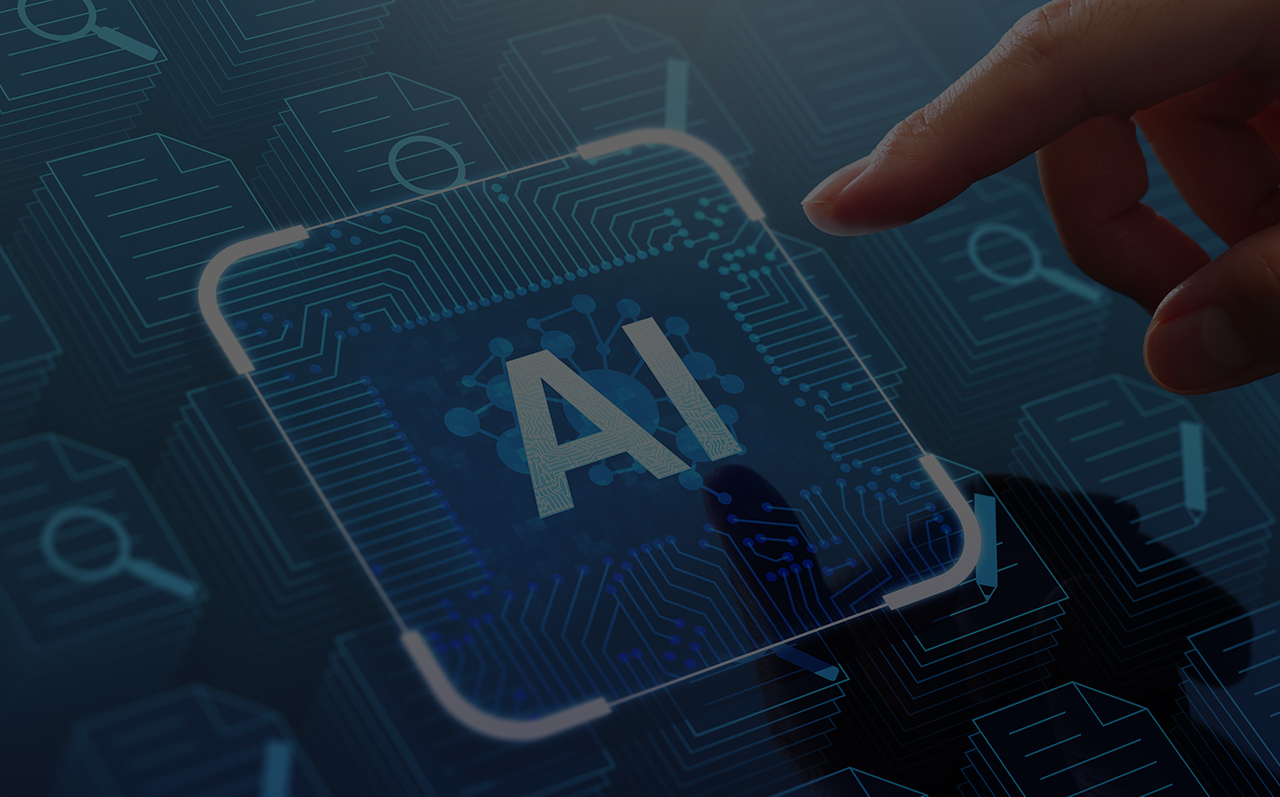
Examples include:
- Personalized product recommendations
- Dynamic pricing
- Customized promotions
- Individualized shopping experiences
Personalization increases customer loyalty and conversion rates.
6. Financial Management
AI-powered accounting software automates bookkeeping, expense tracking, invoice processing, and financial reporting.
Small businesses benefit through:
- Reduced manual errors
- Faster accounting processes
- Better cash flow visibility
- Improved tax preparation
Financial automation saves both time and money.
7. Human Resources and Recruitment
Hiring employees can be time-consuming. AI simplifies recruitment by screening resumes, scheduling interviews, and identifying qualified candidates.
AI also helps with:
- Employee onboarding
- Performance analysis
- Workforce planning
- Training recommendations
This allows HR teams to focus on strategic initiatives.
Benefits of AI for Small Businesses
Increased Efficiency
AI automates repetitive tasks, allowing employees to focus on high-value work that requires creativity and strategic thinking. 
Lower Operating Costs
Automation reduces labor-intensive processes, helping businesses minimize expenses while maintaining productivity.
Better Decision-Making
AI analyzes large volumes of data in seconds, providing insights that support informed business decisions.
Enhanced Customer Satisfaction
Faster service, personalized experiences, and consistent support improve customer loyalty and retention.
Competitive Advantage
Small businesses using AI can compete more effectively with larger organizations by operating more efficiently and responding quickly to customer needs.
Challenges of Implementing AI
Although AI offers many advantages, businesses should also consider potential challenges.
Initial Investment
Some AI solutions require upfront costs for software, training, and implementation.
Data Privacy
Businesses must ensure customer information is handled securely and complies with privacy regulations.
Employee Training
Staff members need training to effectively use AI tools and integrate them into daily operations.
Integration Issues
Existing business systems may require updates or customization to work seamlessly with AI platforms.
Best AI Tools for Small Businesses
Many affordable AI solutions are available today, including:
- AI chatbots for customer service
- Email marketing automation platforms
- AI writing assistants
- CRM systems with AI features
- Accounting software with intelligent automation
- AI-powered scheduling tools
- Business analytics platforms
Choosing the right tools depends on your industry, budget, and business goals.
Loving the article so far check out our News page for the latest article.
Future of AI in Small Business
Artificial Intelligence will continue to evolve rapidly over the coming years. Future developments may include:
- More advanced virtual assistants
- Voice-powered business operations
- Autonomous inventory management
- AI-driven cybersecurity
- Hyper-personalized customer experiences
- Intelligent workflow automation
As AI becomes more affordable, adoption among small businesses will continue to grow.
How to Get Started with AI
If you’re considering AI for your business, follow these steps:
- Identify repetitive tasks that consume significant time.
- Choose AI tools that address your biggest challenges.
- Start with one or two solutions before expanding.
- Train employees on effective AI usage.
- Monitor performance and measure results.
- Continuously optimize AI processes as your business grows.
Starting small allows businesses to gain experience and maximize return on investment.
Conclusion
Artificial Intelligence is transforming the way small businesses operate by improving efficiency, reducing costs, and delivering exceptional customer experiences. Whether through automated customer support, intelligent marketing, predictive analytics, or streamlined financial management, AI empowers small businesses to compete in an increasingly digital economy.
As AI technology becomes more accessible, businesses that embrace innovation today will be better positioned for long-term success. By implementing the right AI solutions strategically, small businesses can unlock new opportunities for growth, productivity, and profitability.
Looking to implement AI for growth here are some companies we find that helps:
- Argentis AI
- Smartbridge
- ArturoX