The Importance of Financial Literacy Education: Building Stronger Financial Futures
Financial literacy education is one of the most important skills individuals can develop to achieve financial stability and long-term success. Understanding how money works helps people make informed decisions about saving, spending, investing, credit, and planning for the future.
In today’s economy, financial knowledge is no longer optional. Whether managing household expenses, starting a business, purchasing a home, or preparing for retirement, financial literacy provides the foundation needed to make confident financial choices.
What Is Financial Literacy Education?
Financial literacy education teaches individuals the essential skills needed to manage money effectively. It includes understanding:
- Budgeting and saving
- Credit and debt management
- Banking systems
- Investing basics
- Taxes and insurance
- Retirement planning
- Financial goal setting
By learning these concepts early, people can develop healthy financial habits that benefit them throughout their lives.
Why Financial Literacy Matters
Many financial challenges happen because people lack access to basic money management education. Financial literacy helps individuals understand how their choices affect their financial future.
Benefits of financial literacy include:
- Better budgeting decisions
- Reduced financial stress
- Improved credit management
- Increased savings
- Greater confidence with money decisions
- Stronger preparation for emergencies
Financial education empowers people to take control of their finances instead of reacting to financial problems.
Financial Literacy Helps Build Better Money Habits
Good financial habits often begin with education. Learning how to create a budget, track expenses, and prioritize needs over wants can help individuals manage their income more effectively.
Important money habits include:
Creating a Budget
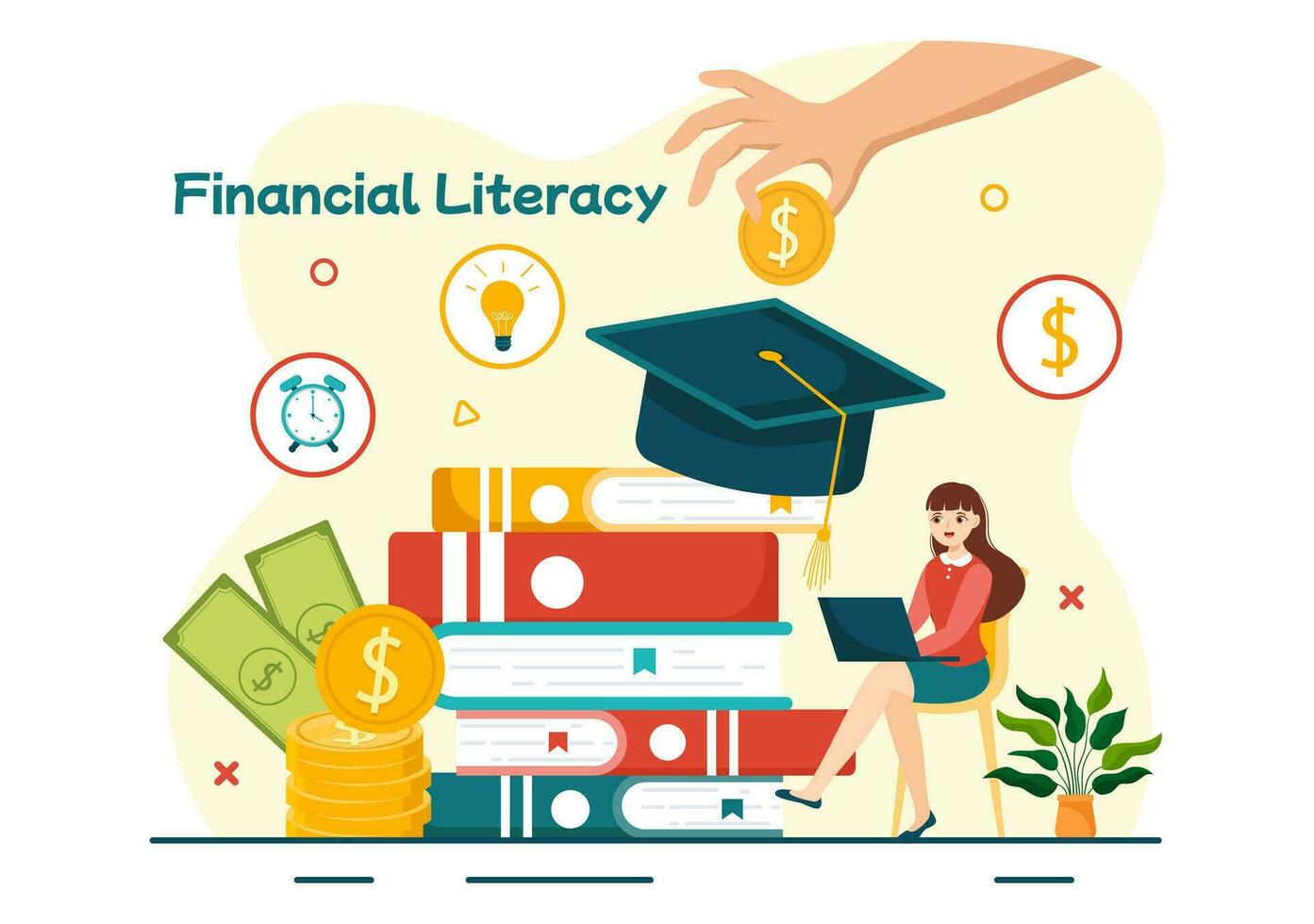 A budget helps people understand where their money goes each month and allows them to plan for important expenses.
Building Emergency Savings
Unexpected expenses such as medical bills, car repairs, or job changes can create financial pressure. Emergency savings provide protection during difficult situations.
Understanding Credit
Credit knowledge helps consumers understand credit scores, interest rates, loans, and responsible borrowing.
The Role of Financial Literacy in Young Adults
Financial literacy education is especially important for students and young adults. Many young people enter adulthood without learning how to manage:
- Student loans
- Credit cards
- Rent payments
- Banking accounts
- Investments
Teaching financial skills early prepares the next generation to make responsible decisions and avoid common financial mistakes.
Financial Literacy and Entrepreneurship
 For entrepreneurs and small business owners, financial literacy is critical for success.
Business owners need to understand:
- Cash flow management
- Business expenses
- Pricing strategies
- Taxes
- Financial planning
- Business funding options
Strong financial knowledge helps entrepreneurs make smarter decisions and build sustainable businesses.
How Financial Literacy Supports Homeownership
Purchasing a home requires financial preparation. Financial literacy helps future homeowners understand:
- Mortgage options
- Interest rates
- Down payments
- Property taxes
- Insurance costs
- Long-term affordability
A strong financial foundation allows buyers to approach homeownership with confidence.
The Connection Between Financial Literacy and Economic Growth
Communities benefit when individuals have stronger financial skills. Financially educated communities often experience:
- More responsible spending
- Increased entrepreneurship
- Higher savings rates
- Better financial security
- Stronger local economies
Financial literacy education contributes to economic growth by helping individuals and businesses succeed.
Ways to Improve Financial Literacy
Anyone can improve their financial knowledge by:
- Reading personal finance books
- Taking financial education courses
- Using budgeting tools
- Learning about investing
- Meeting with financial professionals
- Following trusted financial resources
Continuous learning helps individuals adapt to changing economic conditions.
Financial Literacy in the Digital Age
Technology has made financial education more accessible than ever. Online courses, financial apps, budgeting platforms, and educational resources allow people to learn money management skills anytime.
However, individuals should also learn how to recognize financial scams, protect personal information, and make safe online financial decisions.
Final Thoughts
Financial literacy education is a powerful tool that helps individuals create better futures. Understanding money management, saving, credit, investing, and financial planning allows people to make informed decisions and achieve greater financial independence.
By expanding access to financial education, communities can help individuals build wealth, reduce financial stress, and create opportunities for future generations.