On a recent episode of The TLC Show, host Aaliyah Lachelle sat down with financial educator Leonard Kincaid for an eye-opening discussion on financial literacy—an essential life skill often overlooked in traditional education.
With energy and curiosity, Aaliyah set the tone for a conversation aimed at empowering young people with the knowledge they need to better manage their finances and build a stronger future.
A Passion Rooted in Experience
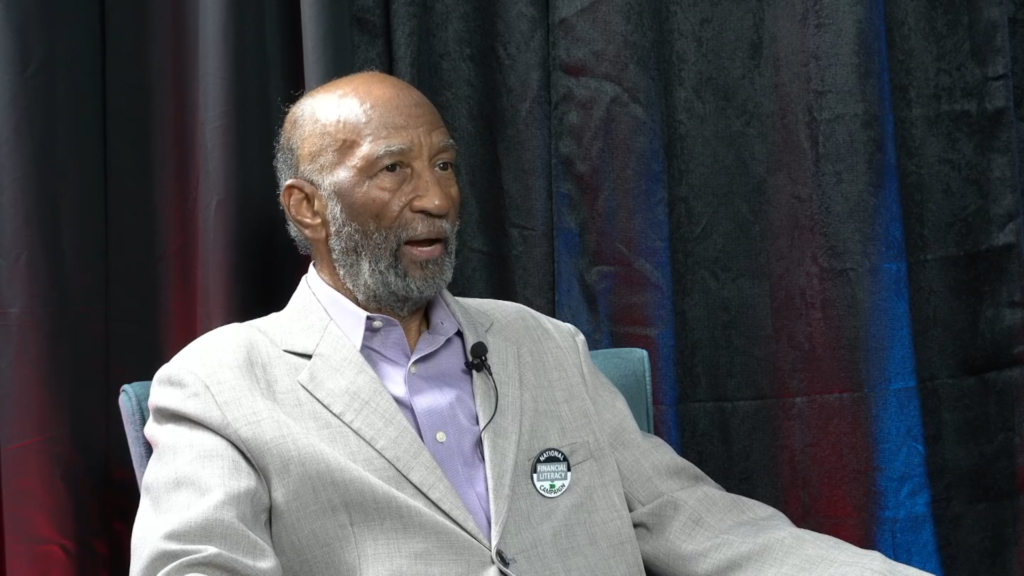
Leonard Kincaid brings decades of experience from the nonprofit sector, where he has spent over 30 years working with individuals facing addiction and mental health challenges. Through that work, he noticed a consistent gap—many people lacked even the most basic understanding of how to manage money.
As he transitions into retirement, Kincaid has made it his mission to change that.
“One of the biggest missing components in our education system is financial literacy,” he explained. “We should not graduate from high school without understanding how money works.”
Why Financial Literacy Matters
For many young people, financial literacy feels like an abstract concept—something distant or complicated. Aaliyah herself admitted that, like many of her peers, she never learned about managing money in school and still struggles with saving.
Kincaid reassured her—and viewers—that this experience is common.
“Most of us learn the hard way, and often much later in life,” he said.
At its core, financial literacy is about understanding how to manage your income and expenses, while building assets and minimizing liabilities. Kincaid offered a simple but powerful perspective:
“Think of yourself as a business.”
Just like a business, individuals have income, expenses, assets, and liabilities. The key to building wealth lies in increasing the gap between assets and liabilities—what is known as net worth.
The Cost of Waiting
One of the most impactful themes of the conversation was the importance of time.
Kincaid emphasized that building wealth isn’t about how much money you start with—it’s about starting early.
“Every year you delay is a year of opportunity lost,” he explained.
He illustrated how someone who begins saving or investing in their 20s—even if only for a short period—can outperform someone who starts later and invests for decades trying to catch up.
For young viewers, this message hit home. The pressure to “have it all together” early in life is real, but Kincaid encouraged a shift in mindset: start where you are, with what you have.
Breaking Common Money Habits
The conversation also tackled some of the most common financial pitfalls—especially among young adults.
From overusing credit cards to living beyond one’s means, Kincaid highlighted how easy it is to fall into debt without realizing it.
“Credit cards can trap you,” he warned. “You don’t feel the money leaving your hands, but the bill always comes.”
Instead, he stressed the importance of discipline—spending within your income and committing to saving consistently, even if it means making sacrifices.
Making Money Work for You
Another key lesson centered on shifting the relationship people have with money.
“We work hard for our money,” Kincaid said, “but wealthy people make their money work for them.”
This principle introduces the idea of investing—whether through savings accounts, retirement plans, or real estate. Kincaid shared that much of his own wealth was built through real estate, where property values tend to increase over time while debt decreases.
Though it may seem complex at first, he reassured viewers that financial systems become easier to understand with time and practice.

Financial Freedom and Life Choices
Beyond numbers, Kincaid emphasized the emotional and lifestyle impact of financial literacy.
Debt, he explained, can feel like a “chain,” limiting freedom and forcing people to stay in jobs they may not enjoy simply to keep up with payments.
On the other hand, financial stability creates options.
“When you have savings, you have choices,” he said. “You can decide how you spend your time, your energy, and your talent.”
Preparing for the Future
The discussion also expanded into career planning. Kincaid pointed out that many young people leave high school without a clear direction, often spending years figuring out their path.
He advocated for earlier exposure to career options, salary expectations, and educational pathways—tools that can help students make informed decisions and avoid unnecessary setbacks.
“Imagine how powerful it would be,” he said, “if students graduated already knowing what they want to pursue and how to get there.”

A Message to the Next Generation
As the conversation came to a close, Kincaid left viewers with a message that underscored the entire discussion:
“Make financial literacy a priority. It will influence the rest of your life—more than almost any other discipline.”
Aaliyah echoed that sentiment, encouraging her peers not just to learn about money, but to apply what they learn.
“Start now,” she said. “Don’t wait until later and wish you had.”
Final Thoughts
This episode of The TLC Show delivered more than just financial advice—it offered a mindset shift. Through honest dialogue and practical insights, Leonard Kincaid and Aaliyah Lachelle highlighted the importance of starting early, staying disciplined, and taking control of your financial future.
For young viewers and beyond, the message is clear: financial literacy isn’t optional—it’s essential.
Check out our other article: